Introduction · The Century of Journalism
Journalism is of great importance for societal communication and for the functioning of democracy. At present it is going through far-reaching processes of transformation. Is the “Century of Journalism” (Birkner, 2010) over, as Siegfried Weischenberg (2010) predicted? No, but journalism today is of course different from a hundred years ago: it is diverse and networked, global and multimedial!
On this page we therefore also tell the history of journalism over the past hundred years in a thoroughly multimedia way – and we do so backwards: from today’s challenges between artificial intelligence and crises, pandemic and paywalls, back through the first years of the internet and German reunification, through the television age in East and West and the period of National Socialism, all the way to the invention of radio more than 100 years ago (1924). It is difficult to tell a story non-chronologically, but it has the advantage that the historical conditions that produced today’s journalism can be reconstructed.
In this way, layer by layer, the characteristics of journalism are to be uncovered, so that it becomes understandable why it will remain so important in the future as well.
This future, however, is uncertain. Seen from today, different futures lie ahead of us, journalism included. To understand this better, telling the story backwards helps, because when going in reverse “possibilities, branching points and opportunities are uncovered or analytically sharpened, [...] in order to think ‘present’ and ‘future’ in the plural” (Körte, 2019, p. 3). This takes away the inevitability of the current state of journalism, and its future appears open.
I am Thomas Birkner, professor of journalism, and a few years ago I received funding from the German Research Foundation (DFG) to be able to research the “Century of Journalism”. My thanks for that here as well. And together with my team I deliberately decided on this experiment of telling the story backwards, in order to tell less a history of the past than an archaeology of the present. The team includes:
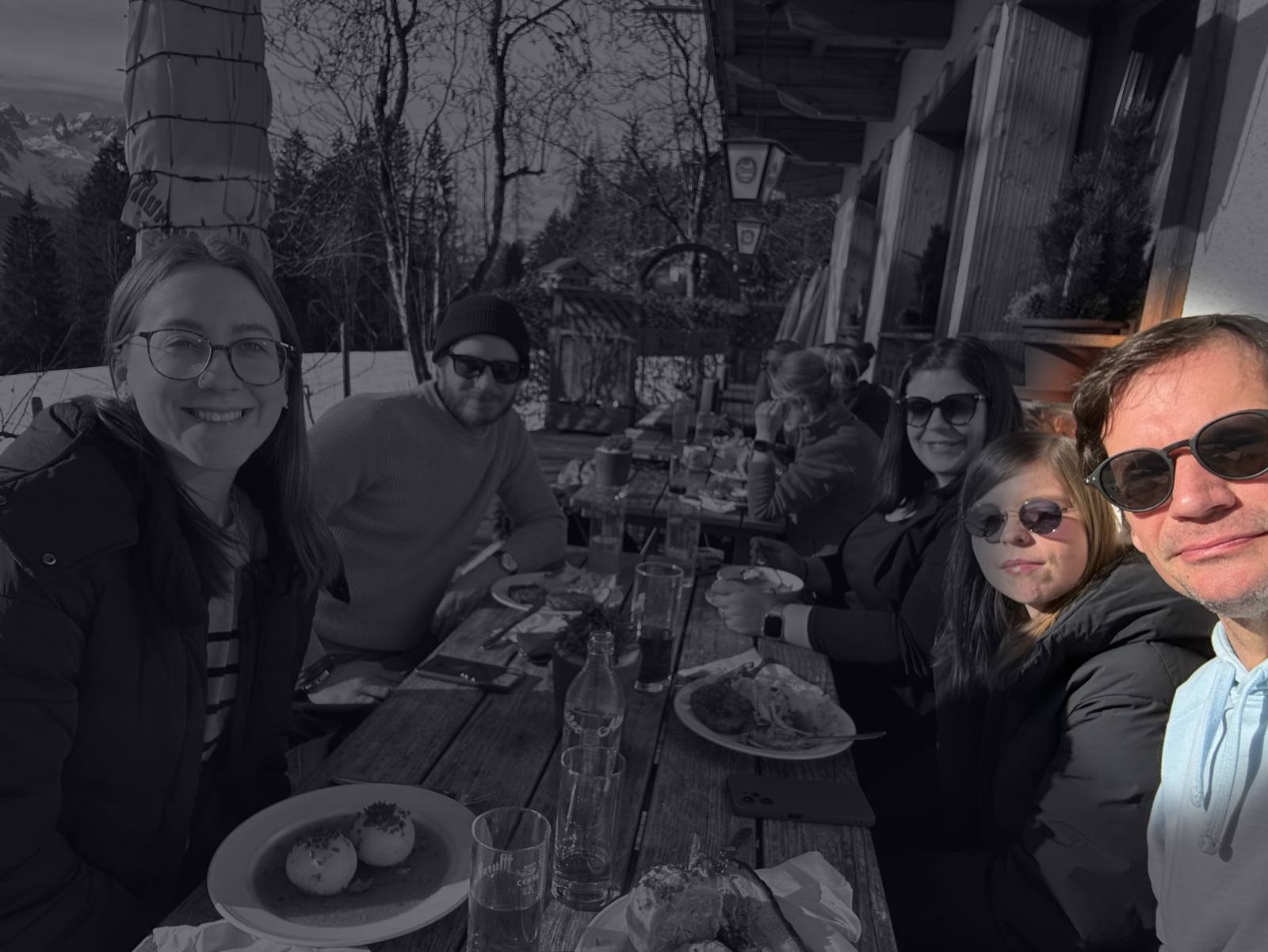
Annika Keute, who as project staff member is mainly responsible for the data presented here,
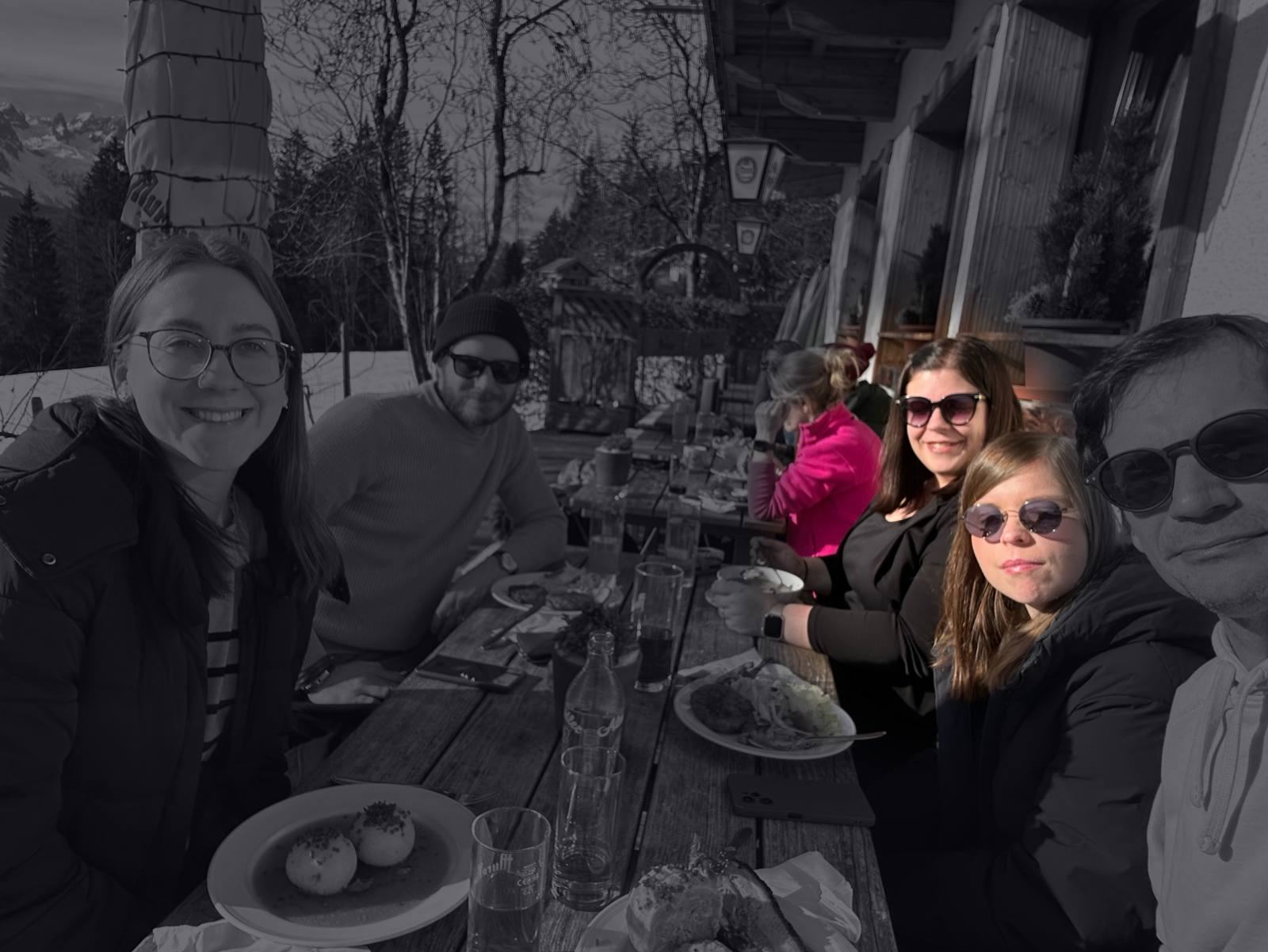
Konsti Schätz, who was immediately fired up about the topic of scrollytelling and now, as also
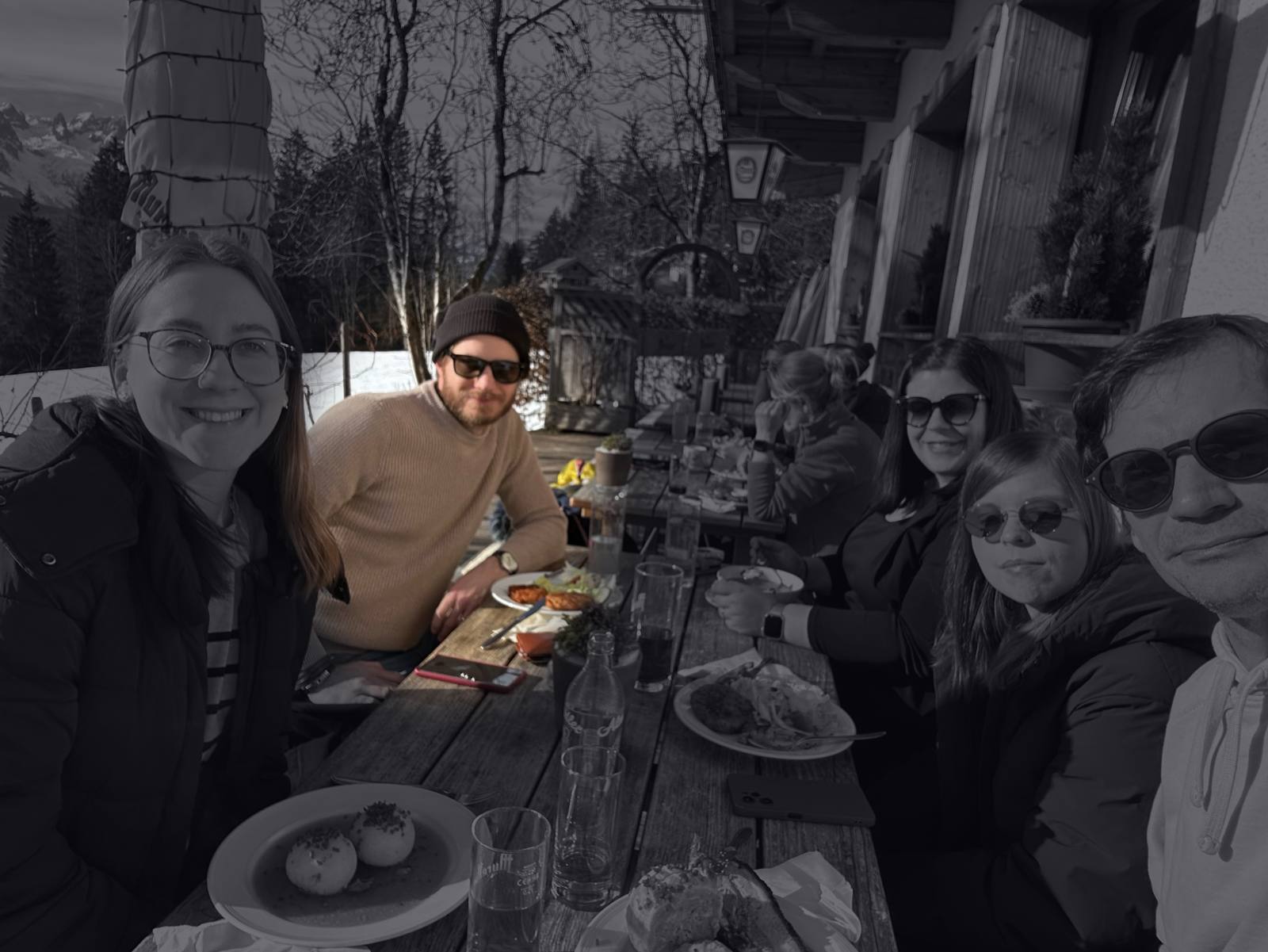
Anna Mavrikou, who masters a great many content management systems, and
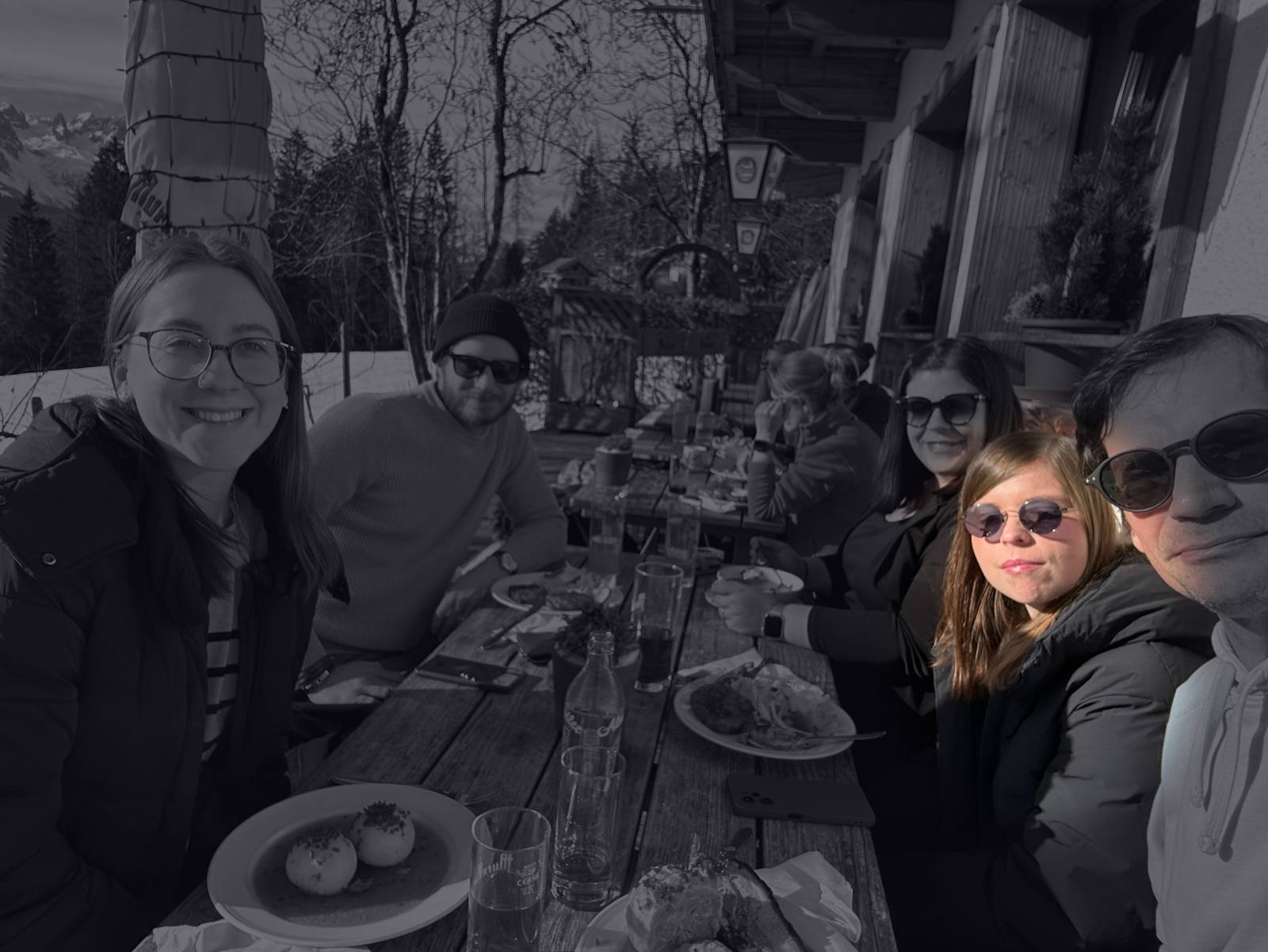
Jana Eglseer, who has earned particular credit for the AI chapter.
In the presentation that follows, large chapters are devoted to the SPIEGEL as an institution of the century, to Marion Dönhoff of the ZEIT as a journalist of the century, and to the modern news item as journalism’s invention of the century. In our DFG project we spoke with journalists from different generations and talked with them about the change in journalism. In addition, we collected empirical data on news journalism of the past 100 years. With this story we pay special attention to the development of journalistic storytelling and to the development of the “news item” (Weischenberg & Birkner, 2015) over time. In this news item, journalism answers the most important W-questions right at the start: Who? How? Where? What? When? Why?
We can of course also put these questions to journalism itself:
Who makes journalism?
How is journalism made?
Where is journalism made?
And because that sounds very much like a craft, we first want to ask: What is journalism? (We will come to When? and Why? later too ;-)